
Roofs are meant to keep water out, yet tiny drips can start a slow-motion train wreck above your head. A small wet patch on a ceiling looks innocent until it stealthily eats away at wood, insulation, and peace of mind.
Repairing early often costs a fraction of what a full roof replacement or major interior rebuild will demand. Treat that first drop like an early warning and act before things spiral.
Small Leaks Become Big Problems
A hairline crack or a loose shingle will not stay small for long when wind and rain have free rein. Moisture finds its way into seams, under flashing, and along fasteners, widening paths that once were tight and dry.
Over weeks and months, what began as a pinhole grows into steady seepage that undermines rafters and decking. Fixing a tiny source is a short job; letting it spread turns work into a big job.
Hidden Costs Of Ignoring Leaks
Visible stains barely hint at the full tab that lurks behind a leak, from ruined drywall to ruined flooring. Insulation that absorbs water loses thermal value, raising heating and cooling bills in subtle ways people often miss.
Electronics, stored items, and even photos can suffer silent damage that shows up later when salvage is harder. The upfront saving of skipping a repair is overshadowed by a cascade of replace-and-repair expenses later on.
Structural Damage And Rot
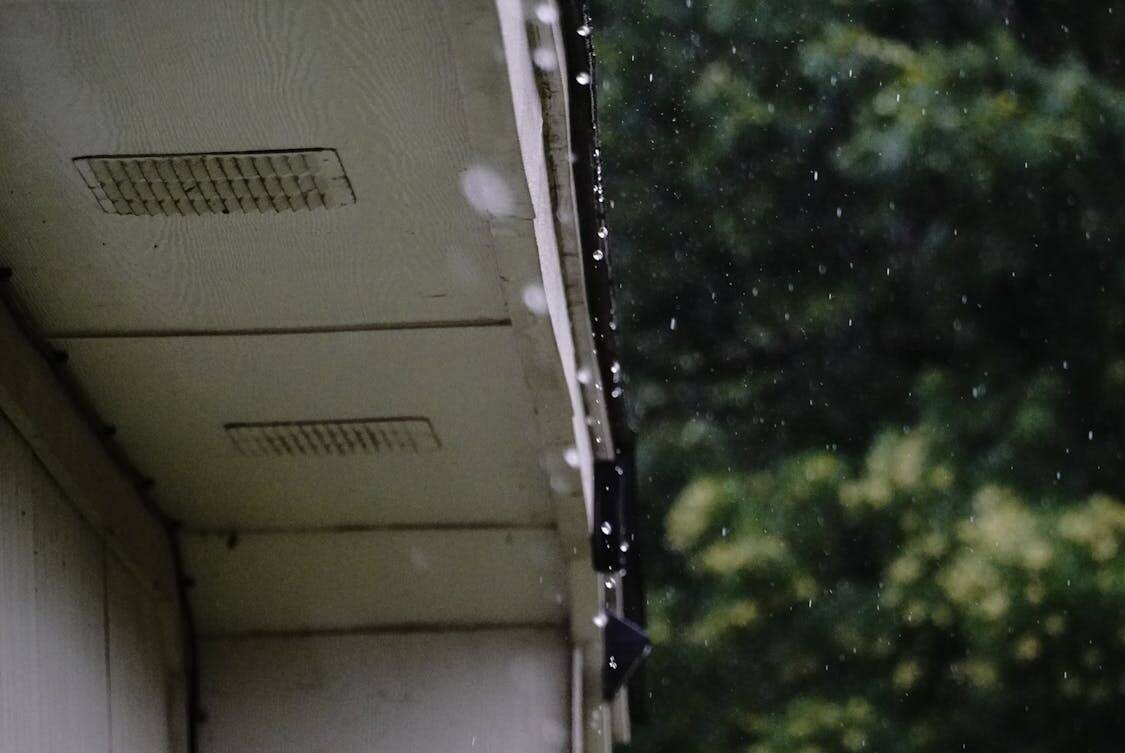
Wood loves to rot when it gets long exposure to damp and little airflow. Rafters, joists, and sheathing can soften and sag, changing load paths and reducing the roof’s capacity over time. Small deformities can grow into structural failures that are costly to fix and risky to live under.
For homeowners unsure about the extent of the damage, contacting waterboro roof replacement services can provide a professional assessment and ensure any necessary replacement is done correctly. Treating moisture while it is limited keeps the frame strong and the house stable.
Mold, Mildew And Health Risks
Mold spores are opportunists; a little wet patch is an open invitation to colonize. Indoor air can degrade as mold spreads inside walls and ceilings, bringing allergies, respiratory irritation, and worse for sensitive occupants.
Remediation is messy, time consuming, and it often requires tearing out materials that homeowners value. Nipping growth in the bud reduces health risks and the scope of cleanup work.
Energy Waste And Higher Bills
Wet insulation works like a leaky sweater — it does not trap heat well and forces heating or cooling systems to run longer. That extra runtime shows up on meter readings and monthly statements, a slow leak in your budget rather than your roof.
Sealing the roof and replacing saturated insulation restores thermal performance fast. This is one area where a small fix buys real savings.
Insurance And Warranty Traps
Policies and warranties often have clauses that limit coverage for gradual damage that could have been prevented with routine care.
An insurer might balk at a claim for long-term rot or mold if evidence points to neglect, and manufacturers may void parts of a warranty if maintenance was lax. Keeping records of inspections and timely repairs strengthens any future claim. Small fixes now can preserve coverage later.
Detection And Early Signs
Look for dark spots on ceilings, peeling paint near rooflines, or oddly shaped stains that reappear when it rains; these are classic early flags. Also check the attic for damp insulation, a musty smell, or streaks on rafters after a storm.
Regular visual checks and simple probes with a flashlight turn mystery leaks into solvable jobs early. A proactive eye saves time and money in the long run.
Quick Fixes Versus Proper Repairs
A temporary patch or sealant can buy a weekend of dry weather and time to plan, but it rarely lasts as a stand-alone cure. Proper repair often means replacing damaged shingles, resetting flashing, or refastening loose nails so the detail is restored and the leak path closed.
Someone in a DIY mood can handle surface work, yet deeper decay or complex flashing issues call for skilled hands. Choose the right level of work for the problem to avoid repeating the job.
When To Call A Pro
If water tracks across rafters, appears in several spots, or returns after a patch, bring in a trained roofer for a thorough diagnosis. Professionals use ladders, heat lamps, and sometimes moisture meters to chase the source where untrained eyes get fooled.
A pro can sort out flashing seams, penetration points, and valley work that hide the leak at first glance. If climbing makes you uneasy, that’s a clear sign to hand the job over.
Maintenance Habits That Help
Regular roof walks in mild weather, gutter clean-outs, and pruning overhanging branches each cut down the odds of an early failure. Seasonal checks after big storms are smart, and a quick attic peek for damp spots completes the loop of care.
Small, steady attention keeps small problems from becoming headline items on your repair bill. As the old saying goes, a stitch in time saves nine — and roofs obey that rule more than most.