
Most couples who end up divorced never sat across from a therapist together. That is the uncomfortable headline buried in Grow Therapy’s newly released 2026 survey of more than 2,500 American adults, conducted with YouGov in December 2025.
Only 15% of U.S. adults have ever attended couples therapy with a partner. Another 16% considered it and didn’t go. The remaining two-thirds never got close.
The Gap Shows Up Hardest at the End
The survey found that 26% of divorced people had tried couples therapy at some point, compared with just 20% of people still married. That’s a strange kind of statistic to sit with. It suggests therapy is arriving, for a meaningful share of couples, as a last rite rather than a repair tool.
Baby Boomers were slightly more likely than younger generations to have tried therapy at 18%. But Boomers are also the demographic driving what researchers call “gray divorce,” where split rates among people over 50 keep climbing even as the national divorce rate falls. For a lot of long-married couples, in other words, therapy shows up after the decision has effectively already been made.
Who Actually Refuses, and Why It Splits by Gender
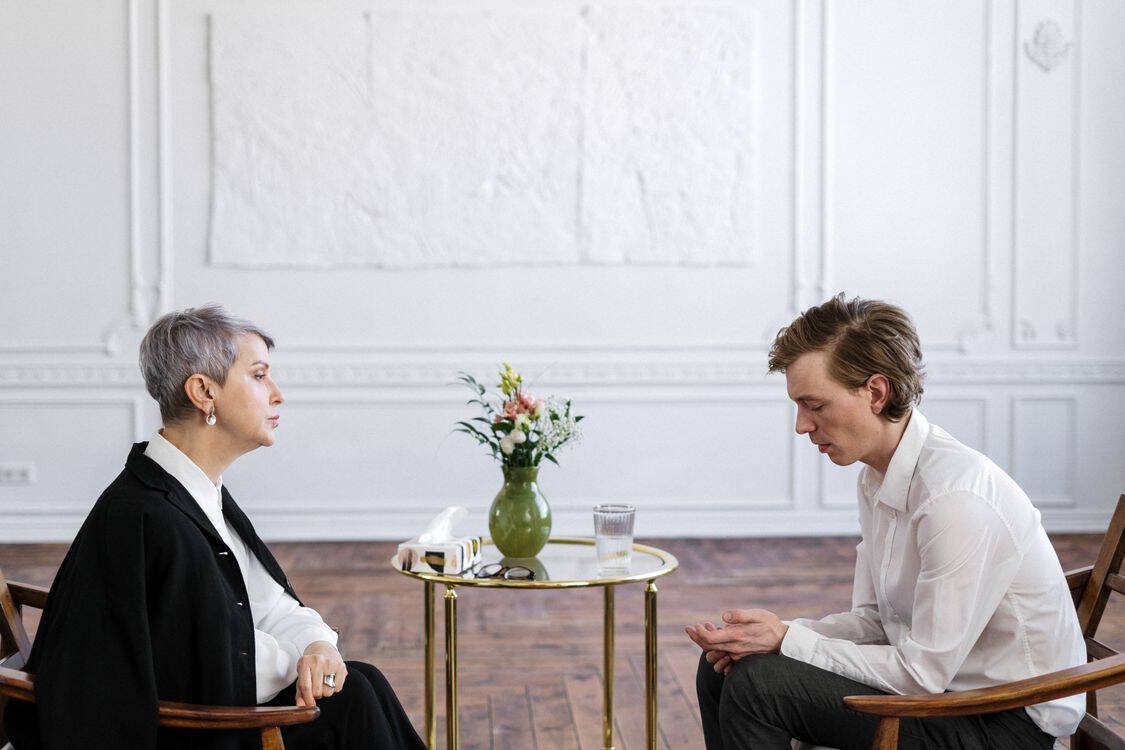
The most interesting numbers in the survey aren’t about whether couples go. They’re about why one partner won’t.
Women in the survey were twice as likely as men, 15% versus 8%, to say a partner’s lack of interest was what kept them out of the therapy room. Men, meanwhile, were more than twice as likely as women, 22% versus 10%, to say they ended up in their first session because their partner asked them to go.
Put those two numbers side by side and a pattern emerges: men are less often the ones proposing therapy, but they’re more often the ones who show up once someone else proposes it. That’s a different story than simple refusal. It looks more like men waiting to be asked, and women more often being the one doing the asking and getting turned down.
Most People Who Go Say It Worked
The survey’s most hopeful figure is also its most frustrating one. Among people who did attend couples therapy, 71% reported real improvement, and only 19% said they came out realizing the relationship wasn’t sustainable. Better communication and stronger overall connection were the most commonly cited gains.
That’s a strong track record for something two-thirds of couples never try. The survey’s authors point to a simpler explanation than stigma: 54% of people who never attended said they just hadn’t had a specific reason to. Not resistance. Not fear. Just a belief that therapy is for crises, not maintenance.
Combine that belief with the fact that cost and a disinterested partner tied as the top named obstacles, each cited by 11% of respondents, and the picture gets clearer. A lot of couples aren’t fighting about therapy. They’re just never quite arriving at the point where one partner’s low-grade hesitation gets addressed directly, until the relationship is already in serious trouble.