
After two years of tariff headlines and rising estimates, there is a quieter story worth telling: in parts of the metal roofing market, prices are starting to settle, and a few are even drifting down. It runs against the doom narrative, but the supply side has been adjusting.
For a Toronto homeowner who wrote off metal a year ago as priced out of reach, that shift is worth knowing about, because the assumption that “everything is up” no longer holds evenly across the category.
What is actually loosening
The clearest signal is in standard steel panel systems, where suppliers report that residential metal roofing in Canada now runs roughly $9.50 to $19 per square foot installed, depending on the system. That is a stabilized band, not the runaway escalation of the past two seasons.
Two forces are behind it. More manufacturers and installers have moved into metal as demand grew, which sharpens competition, and production efficiency has improved, which trims the material waste and labour hours per square. Both push in the homeowner’s favour.
Why Toronto specifically benefits
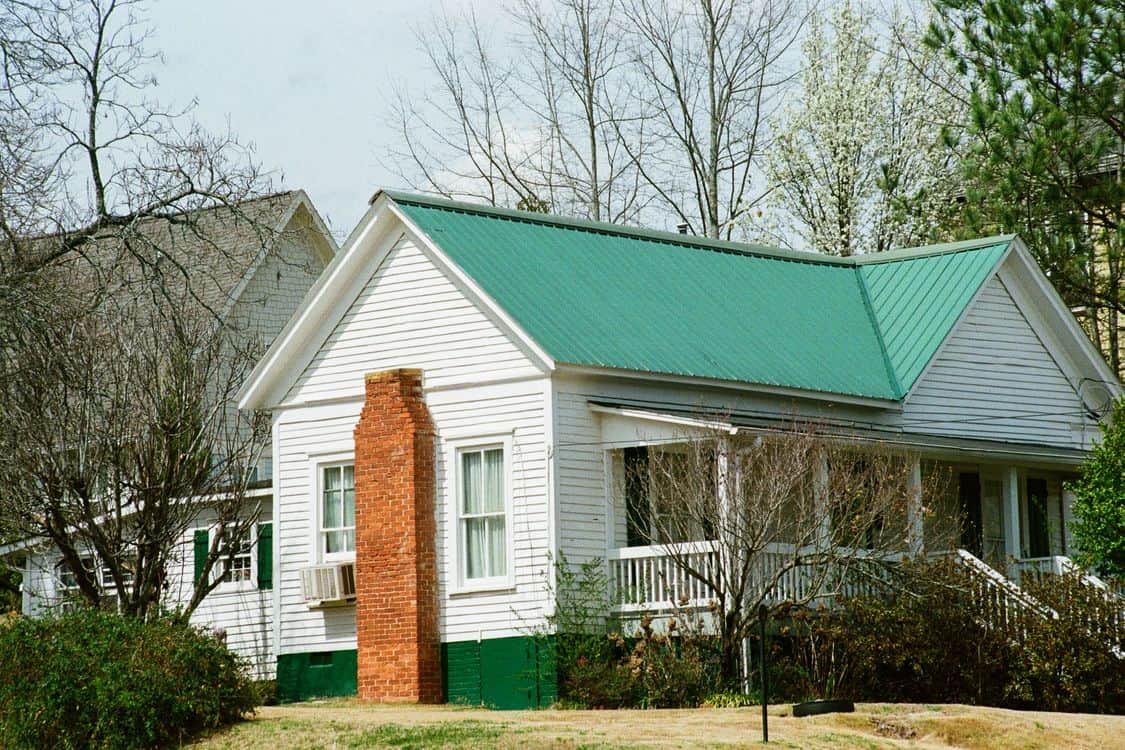
As more GTA roofers add metal to their offering, the local market gets more competitive, and that competition shows up in the quote. Where a few years ago a homeowner might get one or two metal bids, today there are more crews capable of the work, and more pressure on each to price keenly.
This matters because installation, not the metal itself, is usually the largest single cost in a metal roof. When more crews can do the work well, that cost stops being a bottleneck, and the homeowner captures the saving.
The catch is that metal installation quality varies more than asphalt, because the detailing is less forgiving. A cheap metal roof installed poorly erases its own savings, so it is worth drawing your bids from established firms with a real metal track record rather than from whichever newcomer added metal to the website last month.
The honest caveat
None of this means metal is cheap, and none of it cancels the tariff pressure on premium and specialty systems. Standing-seam and architectural products still carry a real premium, and copper and zinc remain expensive. The easing is concentrated in the mainstream steel products most homeowners actually buy.
It also does not mean prices will keep falling. The trade environment is unsettled enough that another shock could reverse the trend. What suppliers are describing is stabilization, not a sale.
What it means for your decision
The practical takeaway is to get a fresh quote rather than rely on a number you heard a year ago. The metal market in 2026 is more nuanced than the headlines, and for a homeowner planning to stay put, the long-term economics of a fifty-year roof in a freeze-thaw climate are as compelling as ever.
If you shelved a metal roof on price, this is a reasonable moment to revisit it. Pull two or three current bids from credible installers, compare them on the same scope, and let the actual numbers, not last year’s headlines, make the case.