
Choosing kitchen cabinets shapes how a room looks and how it works on a daily basis, so take a moment to think about needs and habits before making a choice. Measure your daily routine, how many people cook at once, and what storage tasks matter most to you so that function sits next to form.
A clear plan will help when you face a crowded market filled with styles, materials, and price tags that push and pull at your instincts. If you’re in the area, considering high-quality kitchen cabinets in London Ontario could be a great choice to match both style and function.
Assess Your Needs And Lifestyle
Start by listing activities that happen in the kitchen and the items that must have a home within reach. If meals are mostly quick and light, a simpler layout will do, but if entertaining is frequent, you will want room for serving pieces and cookware.
Think about who uses the space and how often cleaning or maintenance fits into your routine, since some finishes hide wear better than others. Match cabinet choices to real life so the space works hard without asking too much of your patience.
Set A Realistic Budget
Know what you can comfortably spend before you fall in love with options well above that mark, and allow a buffer for unexpected costs that pop up during installation. Divide the budget into supply, labor, and finish so money goes where it makes the most difference rather than vanishing into extras.
Buying a few quality pieces and pairing them with less costly elements can be a safe bet that keeps overall expense steady. Good planning here keeps stress low and leaves room to make smart decisions when a trade off appears.
Choose Cabinet Materials
Wood has a timeless look and a warm feel, and different species bring distinct grain patterns and hardness that affect longevity. Engineered wood and high density composite panels offer budget friendly alternatives that resist warping in moist conditions while delivering a smoother paint surface.
Pay attention to where each cabinet will sit relative to heat and humidity, since the shell and door materials respond in different ways to the environment. Selecting the right base materials now can save repair work later and keeps appearance consistent over time.
Pick A Finish And Color
A painted finish brightens small rooms and hides minor flaws, while a natural wood finish highlights grain and lends a classic air to the space. Glossy surfaces reflect light and can feel modern, while satin and matte finishes tend to appear softer and hide fingerprints better during heavy use.
Think about how cabinet color will play with countertops, walls, and flooring so the whole room reads as one coordinated scene rather than a set of competing elements. Small samples applied in place will reveal how light and shadow alter the final look across different times of day.
Decide On Door Style
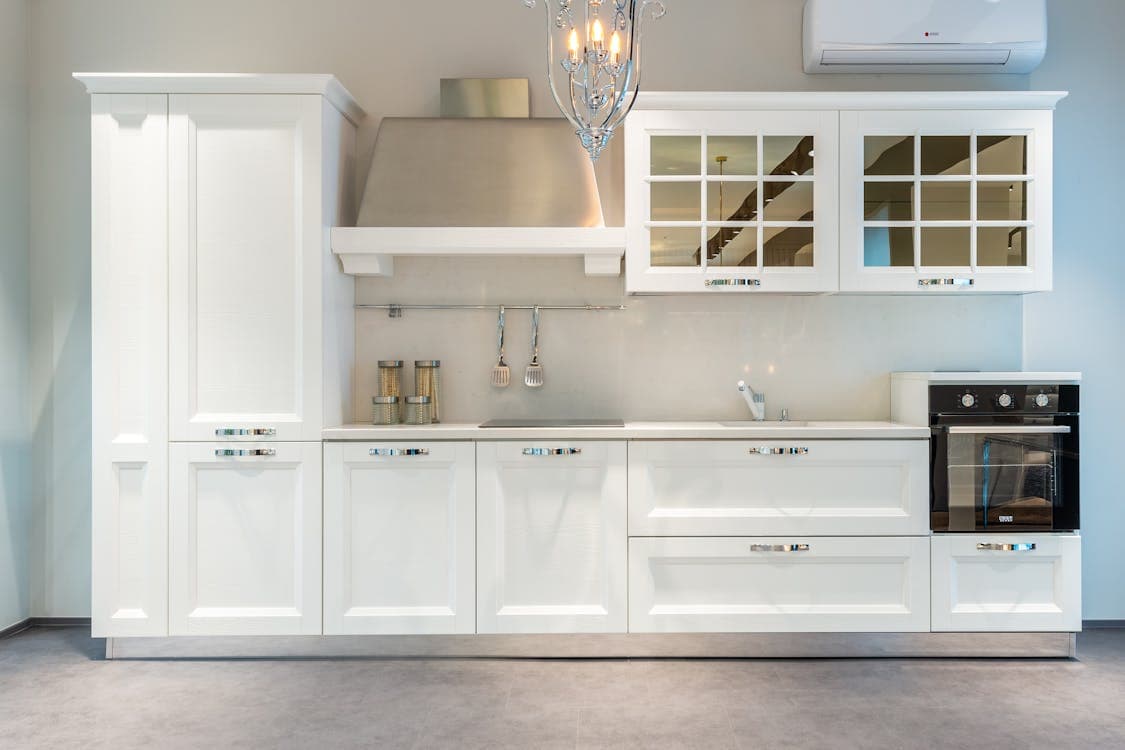
Flat panel doors give a clean, modern look that puts attention on hardware and layout, while framed and raised panel doors offer depth and traditional character. The profile you choose affects how easy doors are to wipe down and how harsh or gentle the visual lines become in the room.
Overlay and inset styles create different reveals and gaps that matter when you want a refined look versus a relaxed feel. Try a few door samples at eye level to see how proportions sit with your cabinet height and ceiling line.
Think About Storage And Organization
Deep drawers often work better than low cabinets for pots and pans because they bring contents forward instead of forcing a reach and bend. Built in pullouts, spice racks, and plate organizers tame clutter and make regular tasks quicker so what once took two hands now takes one.
Prioritize storage that aligns with the items you use most often rather than chasing every new gadget on the market. Planning storage around real habits keeps counters clear and makes it easier to find what you need when it counts.
Measure And Plan Your Layout
Accurate measurements stop surprises on installation day and prevent wasted orders and late fees, so take time to map each wall and opening carefully. Note clearances for doors, refrigerator swing, and oven vents so nothing gets cramped when the room is in use.
Use a simple grid or scaled drawing so cabinet widths, aisle space, and appliance placements feel right together and walking through the space is comfortable. Small missteps now can create big headaches later, so a careful layout is worth the extra pencil time.
Hardware And Functional Details
Handles and knobs change how a cabinet feels in your hand and add an instant style cue, whether you want a low profile pull or a bold ring that makes a statement. Soft close hinges and drawer slides add a sense of quality by removing slams and preventing wear, and they can be swapped in later if budgets are tight.
Think about the reach and hand size of daily users so hardware choice is friendly for everyone in the house. Little details add up and often define whether a kitchen feels built for use or merely for show.
Quality And Construction Details
Look at how corners are joined and whether drawers ride on full extension slides that withstand heavy loads without sagging, since construction choices show up over time. Solid wood frames and plywood boxes resist moisture and hold screws better than thin panels that peel or flex, and that matters in a room that sees steam and splatters.
Inspect sample cabinets or a showroom install to catch gaps, finish flaws, and hinge alignment so you do not learn about problems after the crew has left. A bit of careful checking before purchase often pays off with fewer callbacks and a longer life for the work.
Work With Suppliers And Installers
Shop around for multiple quotes so you can compare comparable materials and labor rather than the lowest price alone; a clearer comparison will reveal where value truly lives. Ask for references and recent installs and visit a job where the supplier has completed work so you can see quality firsthand and hear user feedback about timelines and follow up.
Clarify warranties in writing so you know who handles what if a door warps or a hinge fails in the first year, and get a timeline that sets reasonable expectations for completion. A good working relationship with a supplier and installer keeps the project moving and helps keep stress to a minimum.