
A simple piece of equipment can change the way a kitchen handles a sudden flare up. A fire blanket sits quietly by the stove until it is called on to smother flames and buy time.
Choosing the right one is not a toss up between red and black packaging; it takes a short list of practical checks. Readable labels, trusted certifications and a bit of common sense will guide a good purchase.
Why Keep A Fire Blanket In The Kitchen
A fire blanket offers a fast low tech response to small grease and pan fires that can explode if someone uses water on them. Stopping oxygen at the source is the whole idea and a blanket that wraps a flaming pan reduces damage and panic.
Many kitchens already have extinguishers but a blanket is less messy and simpler to use when hands are shaking. The Cobra Fire Blanket smothers flames in seconds, giving you a critical head start to control a sudden flare-up.
Types Of Fire Blankets
Not all fire blankets are cut from the same cloth and choices often fall into two camps: woven fabric and woven fabric with a metal foil lining. Woven glass fibre blankets handle very hot conditions and resist small sparks without falling apart.
Foil lined options reflect heat and are easier to clean when small splatters occur on the outer face. Pick a type that suits how you cook and how rough a treatment the item might see.
Material And Heat Resistance
Fibreglass is a common choice and it holds up well to brief contact with flames and high temperatures without melting. Some blankets boast extra layers or special coatings that increase abrasion resistance and longevity for heavy use kitchens.
Labels that list working temperatures give a clear yardstick to compare performance under real world heat. Trust the numbers on the tag over a pretty package or an empty promise.
Size Matters
A blanket that is too small will not cover a large frying pan or a pot with a lid partially open and that limitation can be fatal to effective smothering. Common household sizes fit most cookware but larger families or those with commercial style ranges will want a larger square.
Bigger items mean added weight and a bit more bulk when storing so balance reach with comfort. Think about the biggest cookware you own and add a little extra room for quick, confident deployment.
Certification And Safety Standards
Look for clear markings that show the blanket meets national or international fire safety standards and testing protocols. Standards give an independent stamp of approval for a product’s heat resistance and design performance in trials.
Avoid items with vague claims and no traceable certification code on the label or supporting paperwork. A small check on the producer and the standard can save a lot of hassle later.
Ease Of Deployment And Storage
Seconds count when grease lights up, so a good blanket needs to come out of its pouch with one quick motion and have pull tabs that work even with wet or greasy hands. Pouches with a loop for wall mounting make the blanket easy to reach and simple to slide free without awkward fumbling.
Store it within arm reach of the main stove but not so close that it would be damaged by heat or steam. Simple design wins when nerves are stretched and time is short.
Matching Blanket To Fire Type
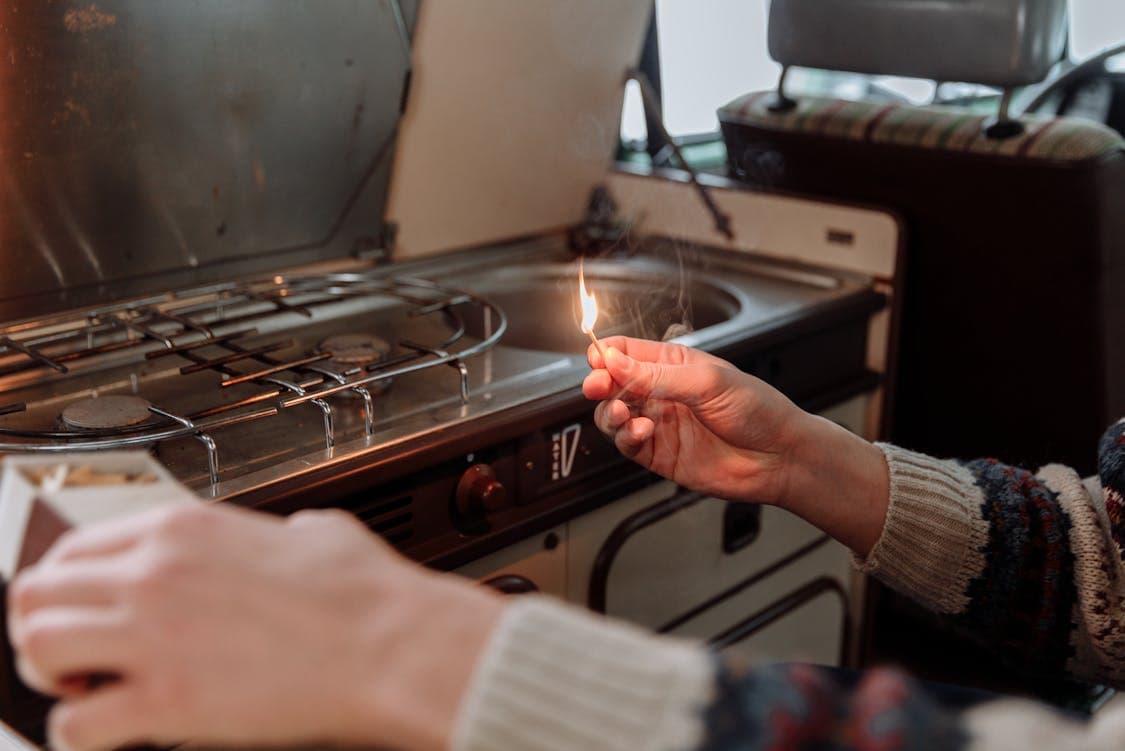
Grease and oil fires are the classic kitchen hazard and they need a blanket that will cut oxygen without spreading the burning fat. For other risks such as electrical fires a blanket that resists electrical arcs and does not conduct is vital.
If open flames from candles or grills are part of your routine choose a robust material that will not fray when exposed to sparks. A blanket that fits the common local hazards keeps the response focused and effective.
Maintenance And Replacement Timing
Check the blanket and its pouch periodically for tears, moisture or any signs of wear that reduce performance and make a quick swap if the material shows damage.
Some manufacturers include a replacement schedule on the tag because repeated handling, exposure to grease and time in a warm kitchen all shorten life.
Clean the outer pouch gently without soaking the blanket itself and avoid bleach or harsh solvents that can weaken fibres. A little routine care extends useful life and keeps the tool ready when it is needed.
Where To Mount Your Fire Blanket
Mount the blanket in a clearly visible spot at an accessible height that both adults and taller teenagers can reach in a hurry. Near the main cooking area is sensible but the device should not hang over a heat source where steam and grease could damage it.
Bright labeling and a simple pictogram show family members exactly how to grab and apply the cover under pressure. Keep a quick walk through of the location part of household routines so everyone knows where calm help lives.
Training And Practice For Quick Response
A quiet rehearsal with an inert cloth helps build muscle memory so hands move without overthinking when flames appear and the blanket is needed. Explain the basic steps out loud while practicing: pull, approach carefully, lower the blanket over the fire and leave it in place until cool.
Practicing teaches how much overlap you need and which angling lets the blanket slide under a lid or around a handle. A short session beats panic in a real emergency.
Extra Features That Matter
Small but useful traits like sewn in pull tabs, reflective strips on pouches and clear pictograms add to ease of use when the heat is on and visibility might be poor. A fire blanket with an inspection card stitched into the pouch lets you log dates and quick checks so the family has a record of upkeep.
Choose a product with a readable label that gives temperature ratings and a model number for future reference. Those extra touches make regular life smoother and emergency action simpler.
Buying Tips For Long Term Value
Buy from retailers who list test data and have a transparent return policy if the product does not match the package claims. Look for products that include wall fixings and simple mounting hardware so installation is immediate and fuss free.
Invest in a size and material combination that matches how you cook and the most likely hazards you face on a daily basis. A deliberate purchase now can keep a small incident from becoming something that leaves a mark on more than your cookware.