
A cruise trip is as much about the stops as the sea, and shore time often creates the liveliest tales that travel companions tell later. With limited hours on land, a little planning and smart choices turn ordinary stops into vivid memories that stick. The aim here is to offer tips that help you pick ports, manage time, and enjoy local life without feeling rushed.
Plan Port Priorities
Deciding which ports to put at the top of your list makes the most of scarce hours on land. Note what each stop is famous for and match those highlights to your tastes and fitness level.
Make a short wish list for every port and rank the items so you know what to pursue if time runs short. Having a slim plan keeps options open while still giving structure to the day.
Choose Between Ship Tours And Independent Options
Ship run tours offer seamless transfers and a simple logistics package that reduces stress and keeps schedules in sync. Independent outings often save money and allow more time at chosen spots but require a bit more research about local transport and meeting points.
If you prefer routes with plenty of well-organized day-trip choices, Singapore cruise departures often feature diverse shore excursion options across Southeast Asia.
Balance risk and reward by checking reviews, operator insurance, and cancellation policies before booking off ship. A mixed approach with one organized tour and one free day can provide variety and confidence.
Time Management On Shore
Time on land can vanish faster than expected, particularly when lines or local traffic interfere with timing. Start early when possible and leave buffer time for unexpected delays to avoid missing the ship departure window.
Use a pocket clock or phone alarm set to ship time to prevent confusion between local and onboard schedules. Keep key documents and a printed route map in a single easy to reach place to speed up transitions.
Active And Nature Based Outings
If moving and fresh air are your things, opt for hikes, bike rides, or wildlife watching in green spaces near port towns. These outings often reward with quiet vistas and a slower pace where simple things like wind and water make a strong impression.
Bring suitable footwear and a reusable water bottle and plan for changing weather to keep comfort levels high. Local guides can point out species and spotting spots that might otherwise be missed.
Cultural And Historic Stops
Ports rich in history offer museums, ruins, and streets where past lives are visible in stones and signage. Spend time in small museums or heritage houses where local volunteers share stories that are absent from guidebooks.
Take a gentle walking route through a historic quarter and let unexpected corners provide the day s highlights. Being curious and polite with locals opens doors to anecdotes and coffee shop recommendations that enrich the visit.
Food, Markets And Local Produce
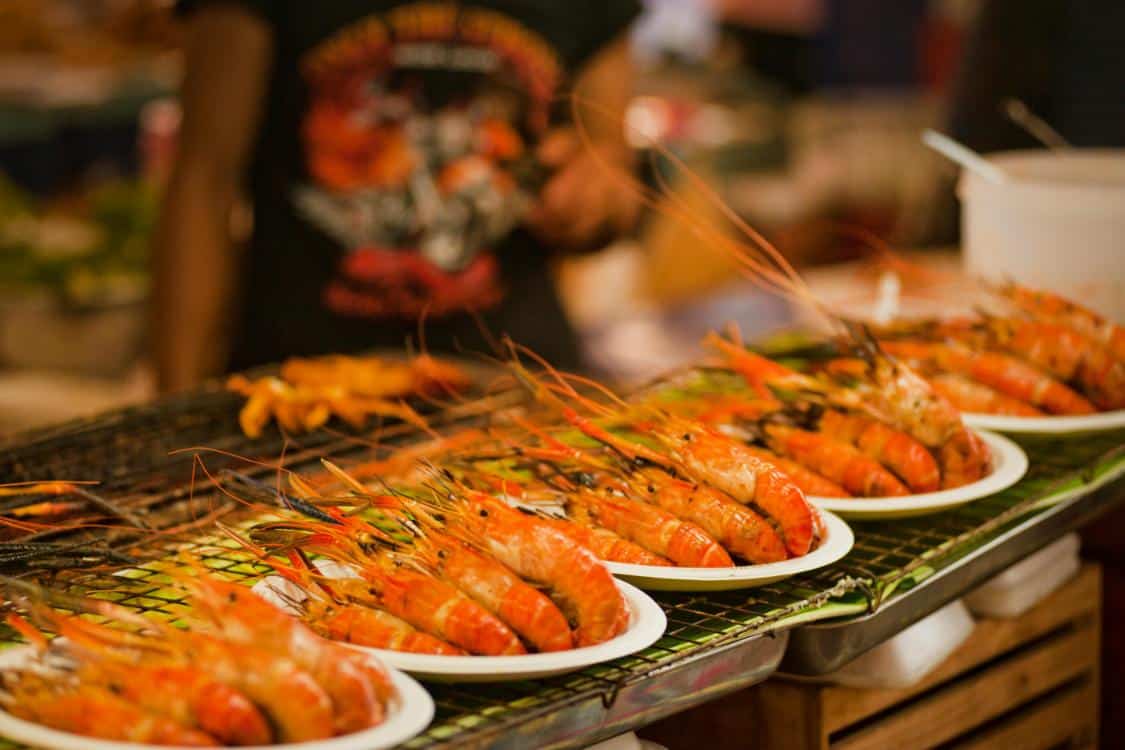
Sampling local food is a fast route to a place s character, and street markets are where flavors and habits meet. Try small plates or shared dishes so you can taste more with less risk to appetite and budget.
Ask the stall owner about ingredients or how the recipe developed to add a narrative to each bite. Small local eateries often serve dishes prepared by hands that have repeated the same recipe for years and offer genuine culinary memories.
Photography And Memory Making
A pocket camera or a smart phone can capture scenes quickly but some simple framing rules lift images beyond snapshots. Look for leading lines, contrasting color, and moments of interaction between people and place to create pictures that tell a short story.
Keep a small notebook or voice memo app handy to jot or speak the context behind a shot so images keep their meaning later. Respect privacy and local customs when photographing people and sacred sites to avoid awkward situations.
Safety And Health
Health and safety are practical elements that shape how much fun you have on shore, so take a few straightforward steps before leaving the ship. Hydrate, apply sun protection, and pack any medication you need in your day bag rather than the ship cabin.
Learn a few emergency phrases and the address of the ship so taxis and helpers can find you if necessary. Trust instincts and choose well lit routes after dark to lower the chance of unwanted incidents.
Working With Local Guides
Guides who live in a region often know shortcuts, native tales, and the best small scale spots that escape tourist maps. Ask about language abilities, licensing, and how long the guide has worked in the area to get a sense of reliability.
A good guide adjusts the pace, points out subtle details, and helps with polite interactions at shops and cafes. Pay fairly and tip if local practice supports that habit to support the local economy and goodwill.
Money, Costs And Bargaining
Having the right mix of payment choices saves time and offers flexibility when faced with small purchases or unexpected fees. Carry a modest amount of local currency for market vendors and small shops that do not accept cards and keep a primary payment method in a secure inner pocket.
Be clear about prices up front when taxi meters are not used and ask whether a price includes return trips or extra stops. Bargaining is part show and part transaction in some places so keep it friendly and light to build rapport.
Respectful Local Etiquette
A few simple gestures can shift interactions from transactional to friendly and make port stops feel warmer and more human. Learn a couple of greetings and polite phrases in the local tongue and use them with a smile to show basic courtesy.
Observe dress codes at religious sites and follow photo rules where signs request no images to keep the tone respectful. Small efforts in etiquette often open up further opportunities like kitchen invitations or local tips from shopkeepers.
Packing For Shore Trips
Packing a compact day bag with a checklist of essentials keeps shore time smooth and pleasant from the first step off the gangway. Include a lightweight rain layer, a hat, a portable charger, copies of travel documents, and a small first aid kit for blisters and minor bumps.
Choose shoes that can handle mixed terrain and bring a change of socks or a quick dry towel for water based activities. A small list packed in mind or on paper helps avoid forgetting items that can be hard to replace on short stays.