
Outdoor lighting has the power to change how a yard looks and feels once daylight fades. Thoughtful placement of fixtures can turn trees into theatrical props and paths into inviting lines that lead your eyes.
Small choices in beam angle, color temperature and layering produce outcomes that seem carefully planned yet pleasantly effortless. Below are five ideas that pair needs with striking visual results.
1. Tree Uplighting For Dramatic Height
Uplighting places fixtures at ground level and aims light up into canopies so trunks and leaves become sculptural silhouettes against the night sky. A tight beam can pick out bark texture while a wider spread reveals the overall shape of a tree, giving a simple vertical element surprising presence.
Try placing lights slightly off axis from the trunk to avoid harsh shadows that split a tree into confusing planes and to create a gentle wrap of illumination. When a single tree anchors a seating area, a soft warm color temperature will feel welcoming and bring out subtle color in bark and foliage.
Use multiple uplights around a specimen when you want to highlight branching patterns or large amounts of foliage in depth. Pairing color variations can accentuate seasonal changes with golden tones in autumn and cooler tones for evergreen contrast during long nights.
Aim for fixtures that allow trimming of beam spread so you can fine tune coverage as plants grow and branches shift with the wind. A low voltage system with drip resistant housings keeps maintenance minimal while letting you experiment with placement until the effect reads naturally.
2. Pathway And Step Lighting For Safe Beauty
Pathway lights guide movement with low level illumination that reduces the risk of trips while adding a subtle cue that the space is cared for. Spacing is less about equal distance and more about creating even pools of light so that shadows do not create confusing dark patches.
Choose fixtures whose light is directed down or inward to avoid spilling into neighbors windows and to keep glare off faces as people walk. In many modern landscape projects, walkway lighting upgrades in San Diego are being used to combine safety and style, especially where uneven terrain or long garden paths need clearer nighttime definition.
Step lighting placed into risers or the vertical face of treads provides practical safety and a clean modern look when done with restraint. Small integrated LED units are easy to hide and offer long life without running up electricity bills, which matters for long evenings of entertaining.
If power runs are limited, look at solar powered path lights that store energy for evening use yet remember that cloudy patches of weather change output. Thoughtful motion activated dimming can give extra brightness only when needed while keeping nights softly lit for most hours.
3. String Lights And Festoon Charm
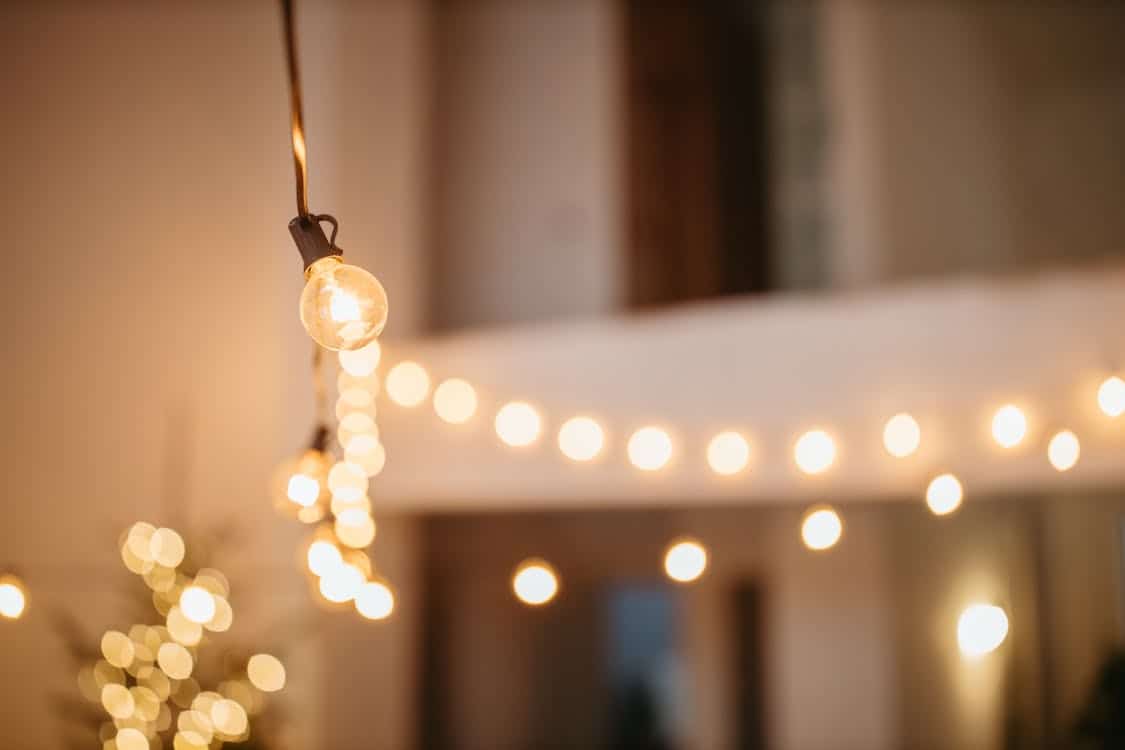
String lights have a way of turning an ordinary porch or pergola into a scene from a movie, creating a ceiling of light that reads like a soft constellation. Draped loosely they form relaxed curves that invite lingering conversations and late night coffee; pulled taut they can create a graphic lattice that anchors a dining area visually.
Selecting bulbs with a visible filament can add old time warmth and a hint of grain, while modern globe LED options keep energy use low with the same friendly glow. Hanging these lights over mixed height seating helps layer light so faces are readable without bright overhead glare that flattens features.
For longer spans or larger yards, pair string lights with local task lamps to avoid relying on them alone for cooking or reading tasks. Clusters around focal points such as a tree trunk or a bistro table increase perceived brightness without raising overall output, a trick that keeps evenings cozy and lively.
Fastening clips and tensioned lines make seasonal changes quick and safe, so you can take lights down when leaves fall heavy or reinstall them for a summer party in minutes. An idiom worth borrowing here is to think of the lights as punctuation marks for outdoor rooms, giving them rhythm and tone.
4. Wall Washing For Textured Facades
Wall washing means placing lights near the base of a wall and angling them up so the beam grazes the surface, emphasizing texture and adding a sense of scale to otherwise plain facades. Masonry, wood planks and stucco all respond differently, with rough surfaces catching light in small highlights and smooth surfaces showing gentle gradients that feel elegant at twilight.
Using multiple fixtures with overlapping beams prevents hard cutoffs and avoids the look of spotlights randomly placed, which often reads as accidental rather than intentional. Cooler tones can bring out subtle color variances in stone while warmer tones make painted finishes appear richer and more inviting.
Gobos or patterned lenses give an opportunity to project shapes or foliage silhouettes across a wall for seasonal interest and playful depth. For historic properties try very low intensity warm light to reveal details without overwhelming the original material or creating unattractive glare.
Dimmers and smart controls make it simple to dial back intensity for late nights while full strength can highlight the architecture during gatherings. Layering wall washing with softer ground level lights prevents a theatrical single plane of brightness and creates a fuller more considered result.
5. Moonlighting And Silhouette Effects
Moonlighting refers to placing lights high in trees or on tall posts to let light fall down in a soft shower that mimics natural nocturnal quality. The effect is subtle and restorative, producing long layered shadows that make a yard feel much larger than its daytime footprint.
Low intensity, slightly cool light tends to feel more like true moonlight while warmer tones create the look of a porch lamp that filters through leaves. This approach works well over seating areas where a gentle overhead glow enhances reading and conversation without the glare of direct fixtures.
Silhouette lighting highlights objects by placing a light behind them so the subject becomes a dark form against a lit background and gains drama from contrast. Statues, tall planters and even a screen of ornamental grasses can become focal points when backlit carefully.
Use narrow beams and shielded fixtures to prevent unintended light trespass and to control the crispness of the silhouette edge. Combining silhouette techniques with softer nearby sources provides a visual balance that reads like intentional storytelling rather than a series of separate effects.